



Reading in Year 6 – what’s the fuss?
Many children enjoy reading. But when Year 6 begins and life fills up with homework, clubs and SATs preparation, finding time to read for pleasure can feel harder than ever.
That’s a shame, because independent reading really matters at this stage.
Research consistently shows a strong link between reading for pleasure and achievement in reading assessments. In fact, around 76% of pupils who read for enjoyment at least once a week perform at the higher end of basic reading tests, according to government data.
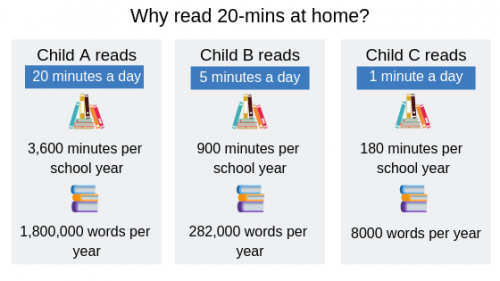
In short, the more children read in their own time, the better prepared they tend to be for Year 6 reading tests.
So how can you keep reading going when Year 6 already feels so full?
1. Let children choose what they read
Children are far more likely to read when the topic genuinely interests them. That might be football biographies, fantasy worlds, joke books, graphic novels or non-fiction about inventions or animals.
Expose your child to a wide range of genres and formats and give them permission to leave books that don’t grab them. Enjoyment comes first.
2. Build reading into the routine
Rather than treating reading as an extra task, try to make it part of everyday life. A short, regular slot is more effective than the occasional long session.
Even 20 minutes a day adds up quickly over a year.
Some families find the 20-20-20 approach helpful:
-
20 minutes reading independently at home
-
20 minutes being read to
-
20 minutes reading at school
It won’t look the same every day, and that’s okay, consistency matters more than perfection.
3. Make reading feel special
Just like a movie night, a family reading night can turn books into something everyone looks forward to. Think cosy blankets, popcorn, hot chocolate and quiet time together with books.
When children see adults enjoying reading too, it sends a powerful message.
4. Balance enjoyment with gentle test preparation
In Year 6, reading isn’t just about enjoyment — children also need to feel confident with the types of texts and questions they’ll see in SATs.
If you’re looking for structured reading practice alongside everyday reading, SATs Companion offers Year 6 reading tests with instant marking, so children can practise little and often without extra pressure.
Reading in Year 6 doesn’t need to be stressful. With the right balance of choice, routine and support, it can still be something children enjoy — while quietly building the skills they need for SATs.
What’s worked best in your home to keep reading going in Year 6?